COMIFAC NTFP Guidelines: Why Does a Binding Law Across 11 States Remain So Little Known Amid the Rise of African Natural Medicine?
These Guidelines have the force of law across the eleven COMIFAC States. Yet they remain poorly popularized and, despite COVID-19 and the rise of African natural medicine, are still little known. Analysis by Pierre Chekem.
Editorial Note — Pierre Chekem, Chief Ecological Officer (ONG PARTNERSHIP)
"These Guidelines have the force of law across the eleven COMIFAC Member States. Yet they remain poorly popularized, and despite COVID-19 and the strong rise of African natural medicine, they are still little known."
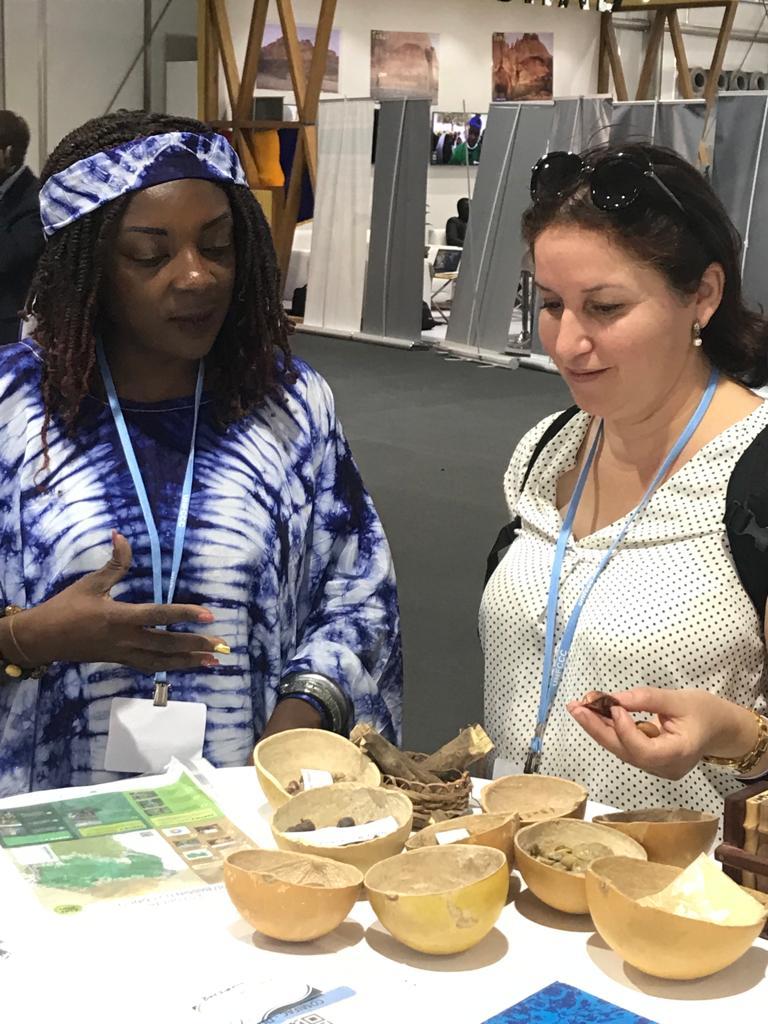
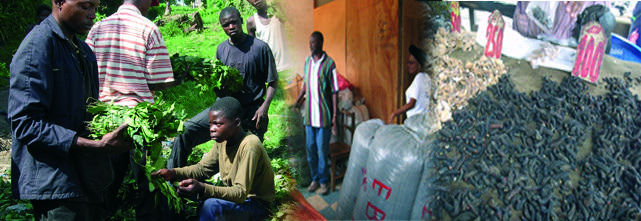
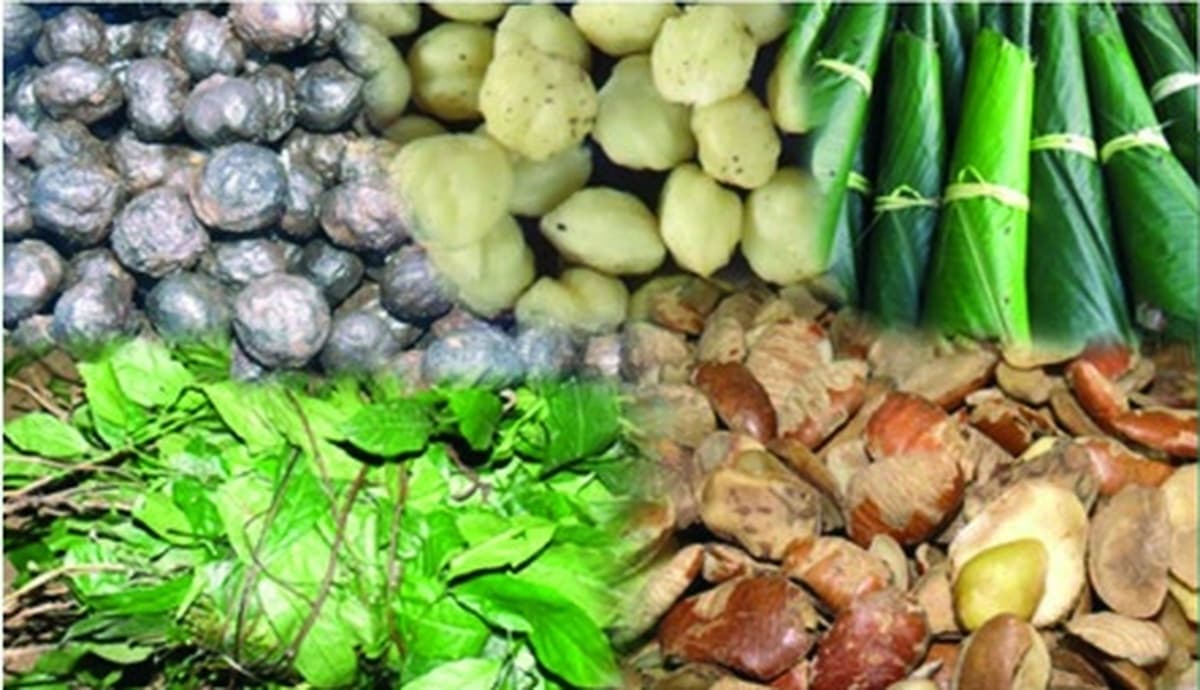
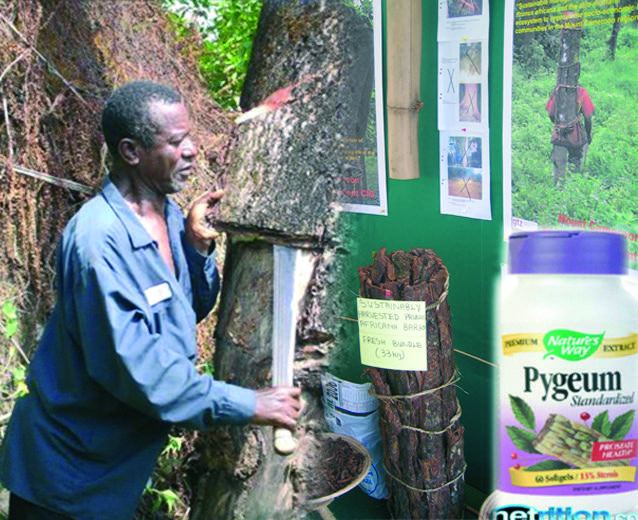
Across the Congo Basin, forests have long been viewed primarily through the lens of industrial timber logs and logging concessions. That is a major historical and ecological mistake. For the millions of women, men, and Indigenous peoples living within our forest ecosystems, the true daily wealth of the forest lies in what foresters call plant-based Non-Timber Forest Products (NTFPs / PFNL): medicinal barks, nutritious leaves, wild fruits, roots, resins, rattans, and raffia palms.
Yet while our States have possessed a remarkable sub-regional legal instrument since October 2008—the Sub-Regional Guidelines on the Sustainable Management of Plant-Based Non-Timber Forest Products (NTFPs) in Central Africa (COMIFAC Policy Series No. 2)—a stark reality persists on the ground: these Guidelines have the force of law in all eleven COMIFAC States, but they are poorly popularized and, despite COVID-19 and the rise of African natural medicine, remain largely unknown.
1. A Binding Legal Framework Across the Eleven COMIFAC Member States
Let us first recall the political and legal scope of this document, which ONG PARTNERSHIP is making directly available today to citizens, researchers, traditional healers, and local municipalities.
Adopted at the Extraordinary Session of the COMIFAC Council of Ministers held in Brazzaville on October 26–27, 2008, with technical support from the FAO (Projects GCP/RAF/398/GER and GCP/RAF/441/GER) and German Cooperation (GTZ/GIZ), these Guidelines stem directly from Article 1 of the , signed by our Heads of State in Brazzaville in February 2005.
Recent Articles
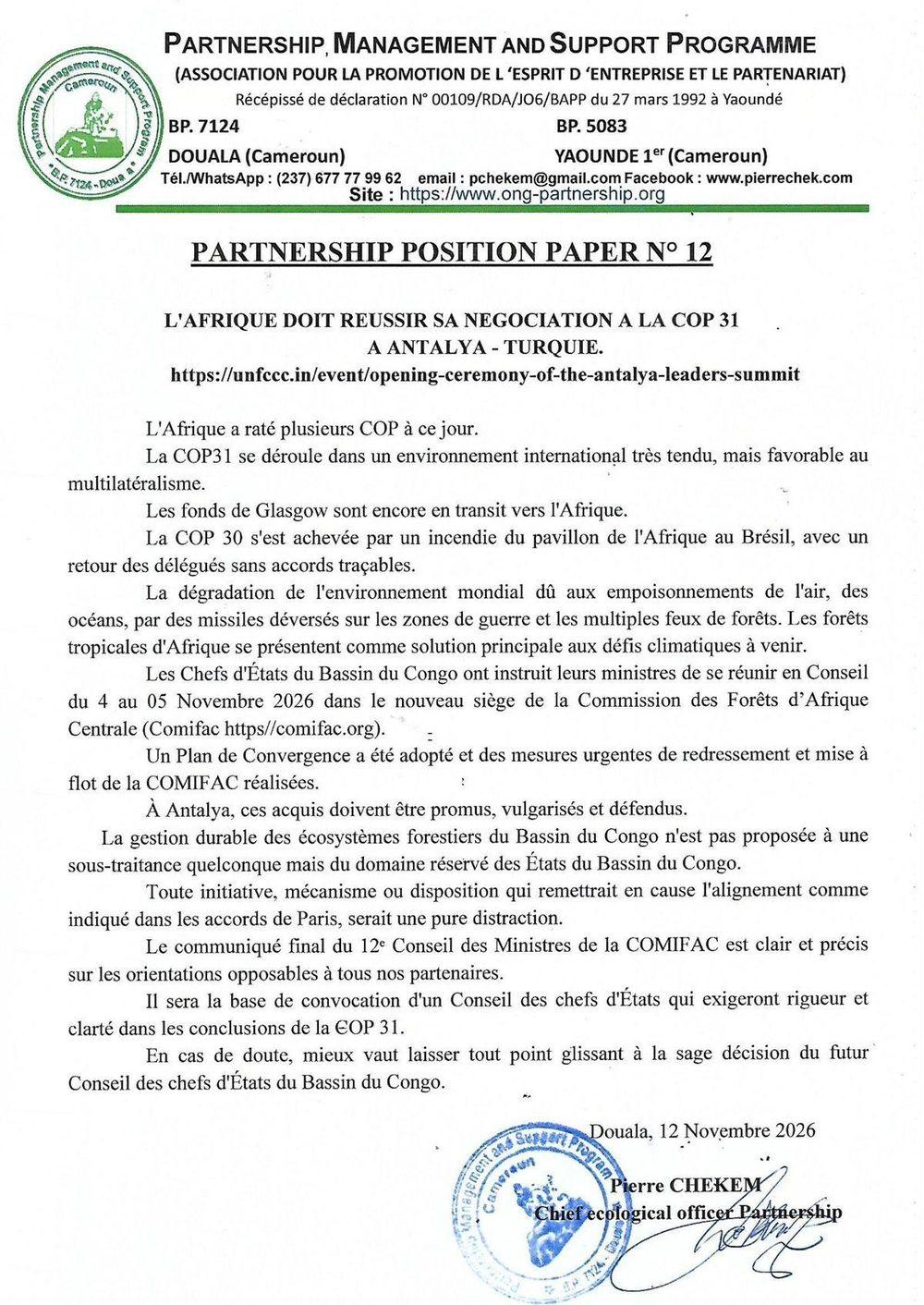
Position Paper No. 12: Africa Must Succeed in Its Negotiations at COP 31 in Antalya - Turkey
In Position Paper No. 12, PARTNERSHIP urges Africa to leverage the 12th COMIFAC Council of Ministers to demand rigor and sovereignty at Read more...
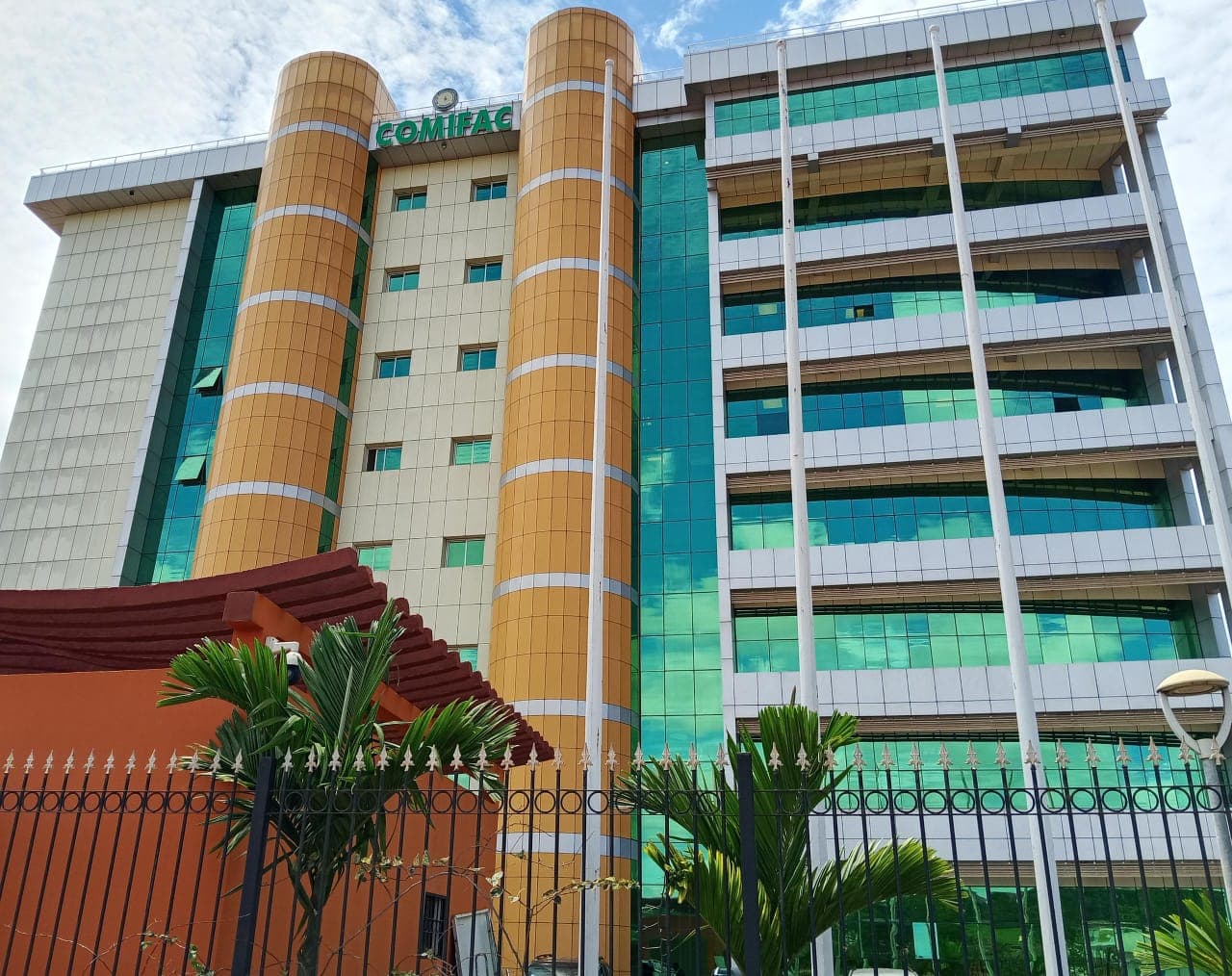
12th COMIFAC Council of Ministers & Headquarters Inauguration in Yaoundé: A Turning Point for Forest Sovereignty
From November 3 to 5, 2026, in Yaoundé, COMIFAC inaugurates its new eight-story Headquarters in Etoudi, renews its executive team, and validates Read more...